2026 marks the 100th anniversary of Black History Month. First established in 1926 as a week of reflection and education, this annual observance has grown into a national platform that honors the achievements, resilience, and leadership of Black Americans throughout history during the month of February.
Over the past 100 years, Black History Month has helped bring essential stories into classrooms, families, and public life. Organ failure and the need for transplantation disproportionately affect Black communities, making this issue a critical part of health equity conversations.
Trust, Representation, and Local Commitment
Organ transplant needs in the United States continue to outpace the supply of donated organs. There are approximately 107,000 people on the national transplant waiting list, and Black Americans make up about 27 percent of those waiting, even though they comprise roughly 13 percent of the U.S. population.
The positive news is that the number of patients receiving an organ transplant has grown thanks to the generosity of donor heroes and the continuous innovation from the non-profit organ procurement organizations that facilitate the process. The U.S. performed more than 49,000 organ transplants in 2025, continuing a multiyear trend of increased transplant volume. With the exception of 2020, transplants have increased each year since 2013.
Despite these gains, disparities remain. Black patients are more likely to experience conditions such as kidney and heart disease that can lead to organ failure, yet they aren’t receiving transplants at the same rate. Comprehensive studies show systemic differences in access to care, referral for transplant evaluation, and waitlist outcomes for minority populations.
Why Donor Diversity Matters
Black History Month can be an opportunity to broaden conversations about community health and organ donation. While transplant matches do not require patients and donors to share the same race or ethnicity, donation within ethnic groups can sometimes improve compatibility and outcomes. Encouraging open discussion about organ donation within families and communities can help more people waiting for lifesaving gifts get the opportunity they need.
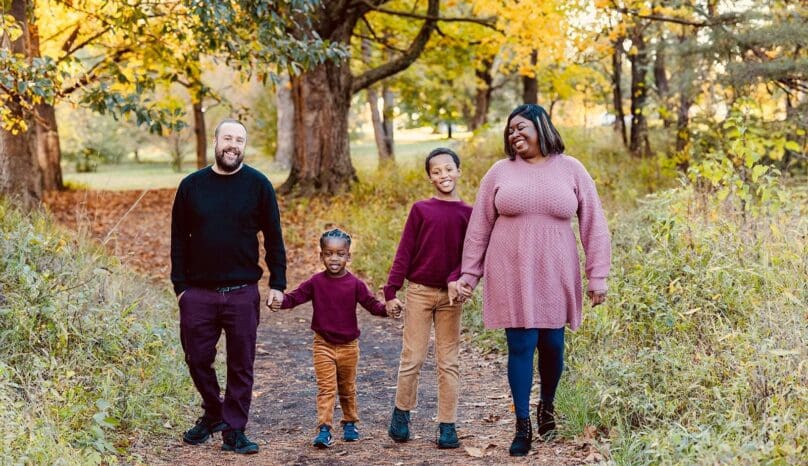
Bridget was diagnosed with pulmonary arterial hypertension in 2009, and managed her condition for more than a decade before her lung function declined. On Christmas of 2022, she was hospitalized and placed on oxygen. Her recovery was uncertain.
In March 2023, Bridget completed transplant evaluation and learned she qualified to be listed. Three months later, on August 29th at 10:30 p.m., she got the call. “August 30th marked the start of my second chance at life,” she said. Her donor was a 16-year-old whose family honored her wish to give the gift of life. “She gave my family and me a second chance. I think about her every day. She lives through every breath I take.”
Bridget’s story is one of many that show the real impact of donation on individuals and families. Organ donation has the power to transform lives across generations, and increased awareness can help ensure every community shares in that hope.
The first step is to register as an organ, eye, and tissue donor and to share your wishes with your loved ones. Black History Month can be a meaningful opportunity to start that conversation and make your wishes known.